Featured
Table of Contents
Adapting to Semantic Search in 2026
The shift in how details is indexed and obtained has actually reached a tipping point this year. In 2026, online search engine no longer focus on simple keyword matching. Rather, they concentrate on semantic understanding-- analyzing the intent and context behind every user query. For companies trying to preserve an existence in Las Vegas, this means content production needs to move far from volume for the sake of volume. The objective is now info gain, a metric that benefits content for supplying brand-new, factual details that do not exist in other places on the web.Steve Morris, CEO of NEWMEDIA.COM, has often kept in mind in recent market discussions that the rise of Answer Engine Optimization (AEO) and Generative Experience Optimization (GEO) has forced a total rewrite of the traditional marketing playbook. Business can no longer conceal thin content behind high backlink counts. The systems powering search in 2026 are looking for topical authority and entity-based importance. This requires a method where every piece of material serves a specific purpose within a wider understanding chart.
Intelligence-Led Production Methods for Franchise Seo For Growth
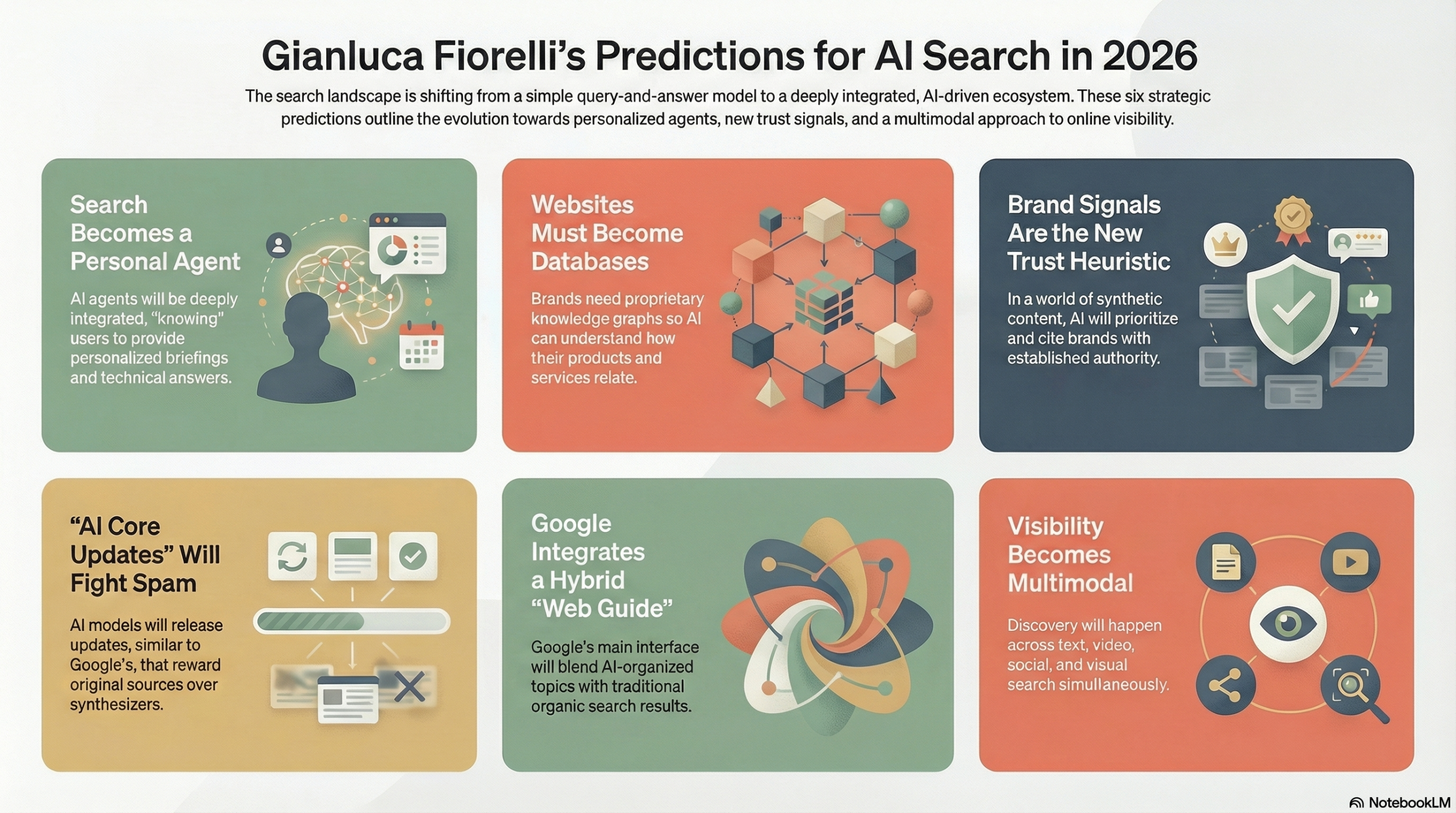
Scaling a content department without losing the human touch or accurate precision includes more than just including more authors or more AI prompts. It needs a layer of content intelligence that sits between the ideation phase and the last publication. Organizations are increasingly trying to find ways to improve Local Search Strategy to ensure that every short article or video produced aligns with what semantic algorithms are really looking for. This intelligence layer uses information to identify spaces in the current market understanding, ensuring that new content offers actual value.The RankOS platform has actually ended up being a main part of this process for numerous firms, as it permits real-time tracking of AI search presence. In cities like Denver, Chicago, and Nashville, where the service environment is especially thick, the ability to see how an AI summary interprets a brand name's message is vital. Material intelligence tools analyze top-performing entities and recommend specific subtopics that an author should cover to accomplish "topical completeness." This data-driven method guarantees that even when production scales to numerous pieces per month, each one stays premium and pertinent to the user.
Scaling Quality Throughout NV and Beyond
Keeping a constant brand voice throughout various geographical areas provides a special set of obstacles. Whether a business is operating in the local territory or throughout multiple seaside offices like NYC and LA, the tone should remain unified while the details stay regional. Proven Local Search Strategy offers a methodology for managing this balance. By utilizing centralized style guides and AI-assisted fact-checking, teams can produce localized content that does not seem like a generic template.The technical requirements for content in 2026 likewise include structured data that helps search engines categorize information. This is no longer almost fundamental Schema markup. It is about specifying the relationships between items, services, and places. For a company with a presence in Dallas, Atlanta, or Miami, the material must explicitly connect these geographical entities to their core service offerings. This creates a web of relevance that is hard for competitors to break, especially when the production scale is high enough to cover every specific niche topic within a particular industry.
The Function of Human Oversight in AI-Driven Workflows
While AI tools handle the heavy lifting of preliminary drafts and information analysis, the "last mile" of content production remains a human endeavor. In 2026, the most effective material groups are those that use AI to expand their reach but depend on knowledgeable editors to make sure brand alignment and psychological resonance. Steve Morris has often pointed out that while AI can mimic facts, it battles with the nuanced point of view that originates from years of market experience. Quality assurance in 2026 involves a rigorous multi-step procedure. Initially, content intelligence tools recommend a brief based on semantic spaces. Second, a writer or an extremely tuned AI develops a draft. Third, an editor examines the piece for "AI hallucinations"-- those minutes where a model might confidently specify a fact that is actually inaccurate. The piece is enhanced for AEO to ensure it is selected up by the conversational user interfaces that now control how individuals find info in global markets.
Determining Success in the Age of AEO and GEO

Conventional metrics like click-through rates (CTR) and page views are still kept an eye on, but they are no longer the only method to assess the success of a content program. In 2026, visibility within AI-generated summaries is the new gold standard. If a brand name is pointed out as a top suggestion in a search engine's conversational action, that is a clear sign of high topical authority. Success typically depends on Local Search Strategy for National Brands. This implies tracking how typically a brand name appears as a cited source in the answers supplied by modern search systems.The focus on GEO-- Generative Experience Optimization-- indicates that content needs to be formatted in such a way that AI models can quickly parse. This includes using clear headings, bulleted lists for factual data, and concise summaries at the beginning of long-form pieces. When these technical elements are combined with high-quality writing, the result is a content engine that can scale forever.
Future-Proofing Your Method in Las Vegas
As we move further into 2026, the gap between low-grade "AI spam" and high-quality, intelligence-led content will only broaden. Companies that attempt to shortcut the procedure by pumping out unproven, non-optimized text will find themselves unnoticeable in the brand-new search era. The businesses that flourish are those that invest in the ideal platforms and individuals to manage production at scale.Working with an agency that comprehends the intersection of SEO, AEO, and website design is often the most efficient course forward. With offices covering from New York City to LA, NEWMEDIA.COM offers a broad viewpoint on how various markets respond to these technological shifts. By focusing on semantic significance and details gain, they assist brands build a digital footprint that is both expansive and authoritative.Ultimately, scaling content production in 2026 has to do with being smarter, not just quicker. It is about using the RankOS platform to identify where the opportunities lie and after that performing with a level of accuracy that makes every word count. Whether the objective is to control the regional search results page in Las Vegas or to develop a national existence, the principles of quality and semantic clarity stay the very same. The future of digital marketing comes from those who can produce high volumes of material that search engines trust and users find truly helpful.

Latest Posts
Protecting the Corporate Reputation With Digital Tools
Navigating the Future of AEO for Success
How Digital Marketing Drives AI Search Rankings